
5 Tips to Get the Most Out of Hypercare
Making sure your question or consult gets answered
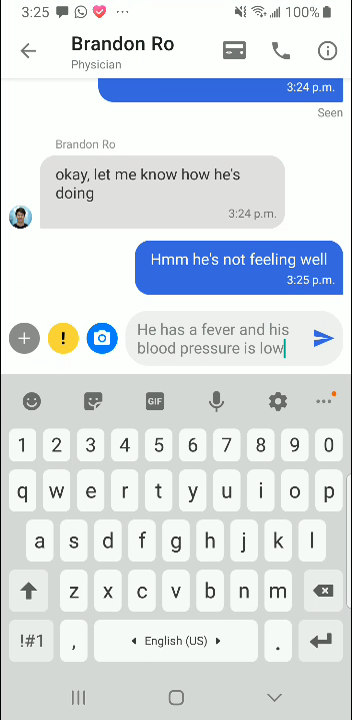
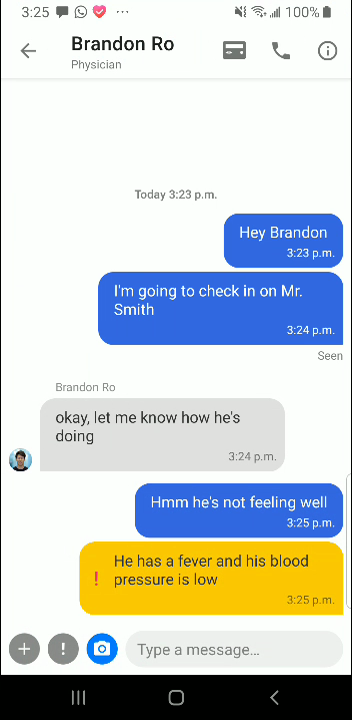
Hypercare allows you to check every message to see if it was sent, received, or read by the user. For urgent matters, you are able to send priority messages that bypasses the receiver’s “do not disturb” or silent mode, to ensure you get their immediate attention.
Staying connected to physicians who use pagers
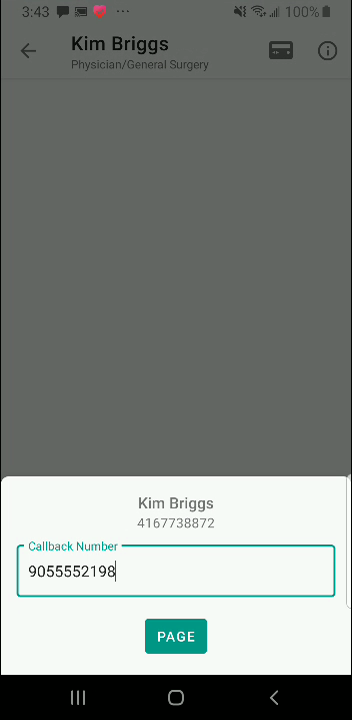
On Hypercare you can page colleagues using our paging feature. This allows you to get in touch with a physician if they prefer using pagers

Keeping yourself and your team up to date
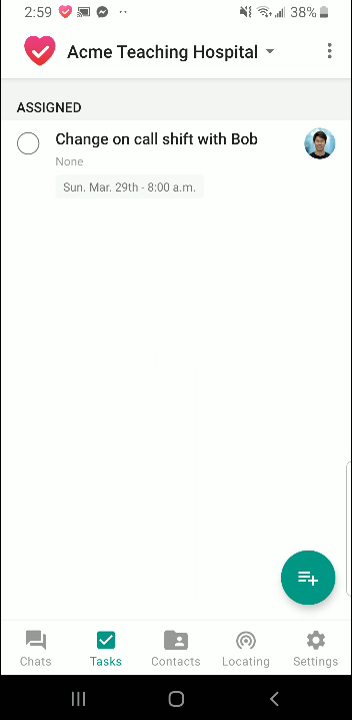
Keep up to date with everything your team is doing with our live task lists. Add tasks for yourself or assign tasks to your colleagues to make sure nothing falls through the cracks. The list gets automatically updated through the app, and skip ‘running the list.


Finding out who’s on call
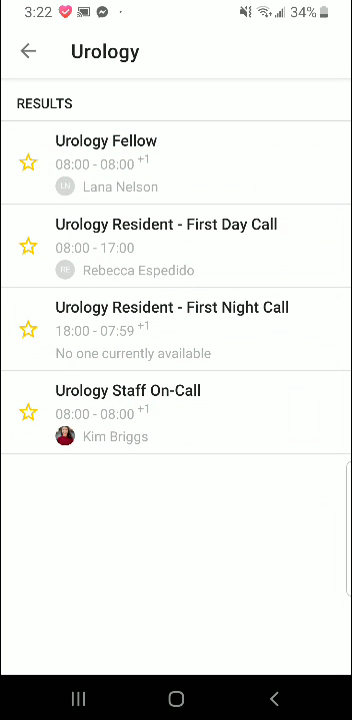
Our locating feature allows you to search multiple schedules to find the right person on call and connect to them directly without the need for switchboard operators and pagers. Save time and energy that can be reallocated to patient care.

Disconnecting from work and spending time with friends and family
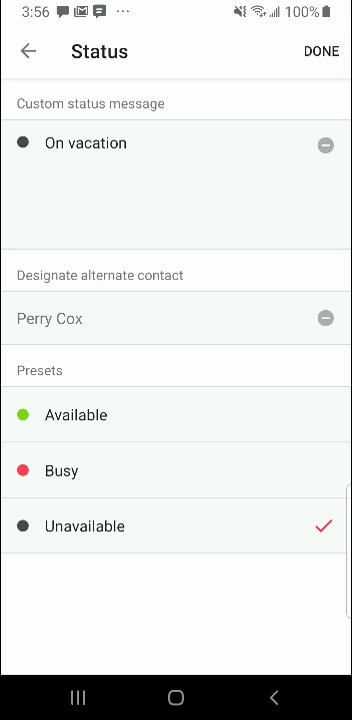
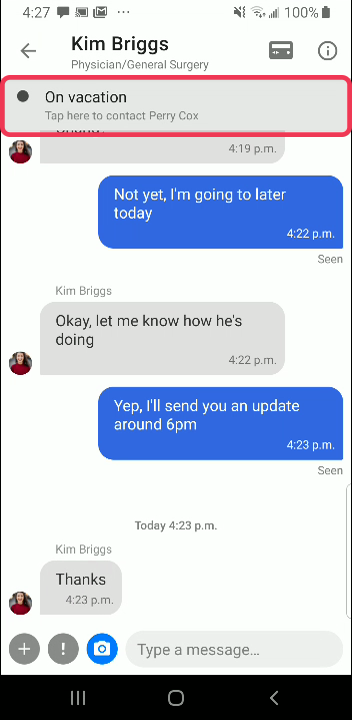
Make it clear when you’re unavailable and who to contact when you’re busy. If you’re unable to answer Hypercare, you can assign an alternative contact for yourself so your colleagues know who to contact for questions or consults.
Read more of our posts

Sep 22, 2026 • 3 min read
How Hypercare Works with MEDITECH: An Adapter-Based Integration Overview
If your hospital runs MEDITECH as its EHR, patient data, including admissions, transfers, and lab results, is flowing through that system every minute of the day. A clinical communication platform can turn that data into immediate action. The moment a critical result posts or a patient transfers units, the right clinician gets notified without anyone picking up a phone or manually checking a chart. But that process only works if the platform can connect to what’s already running in your hospital, which is why integrations are essential. In this article, we’ll discuss how the MEDITECH connection works, the role of middleware and APIs, and how connecting MEDITECH to Hypercare enables more seamless clinical workflows.

Sep 21, 2026 • 4 min read
How to Modernize Code Blue Notifications with Closed-Loop Communication
When an overhead page or physical pager announces a code blue, there’s no way to know at that moment whether the on-call team heard it or if anyone needs to be paged again. In cardiac and respiratory arrest, chances of survival are measured in minutes. Yet many hospitals still trigger the most time-critical event in medicine with a one-way pager-based system. Pagers only transmit information unidirectionally and don’t offer confirmation methods, which can delay critical care.

June 25, 2026 • 2 min read
Coordination Failure: The Invisible Driver of Hospital Inefficiency
Hospitals today face constant pressure - from stretched teams, tight budgets, and leaders balancing competing priorities. Staffing shortages dominate headlines, but when you talk to frontline leaders, another challenge consistently surfaces: coordination. During our executive webinar, The Cost of Coordination Failure, medical and nursing leaders shared how inefficiency often stems not from a lack of people, but from the time lost between care steps. The panel made a compelling case: throwing more Full-Time Equivalents (FTEs) at throughput bottlenecks won't solve the problem if the underlying communication infrastructure remains completely fragmented. These gaps, called coordination latency often erode capacity across the system.
Ready to learn more?
Get an in-depth product tour to see what Hypercare can do for your team
Hypercare helps hundreds of clinical teams and healthcare organizations across North America coordinate and collaborate seamlessly, with one single clinical communication platform. Let us show you how we can help.